
Luxury Service
The Architecture of Effortless Luxury Service
Luxury service feels effortless when teams anticipate needs and use disciplined standards to remove friction.
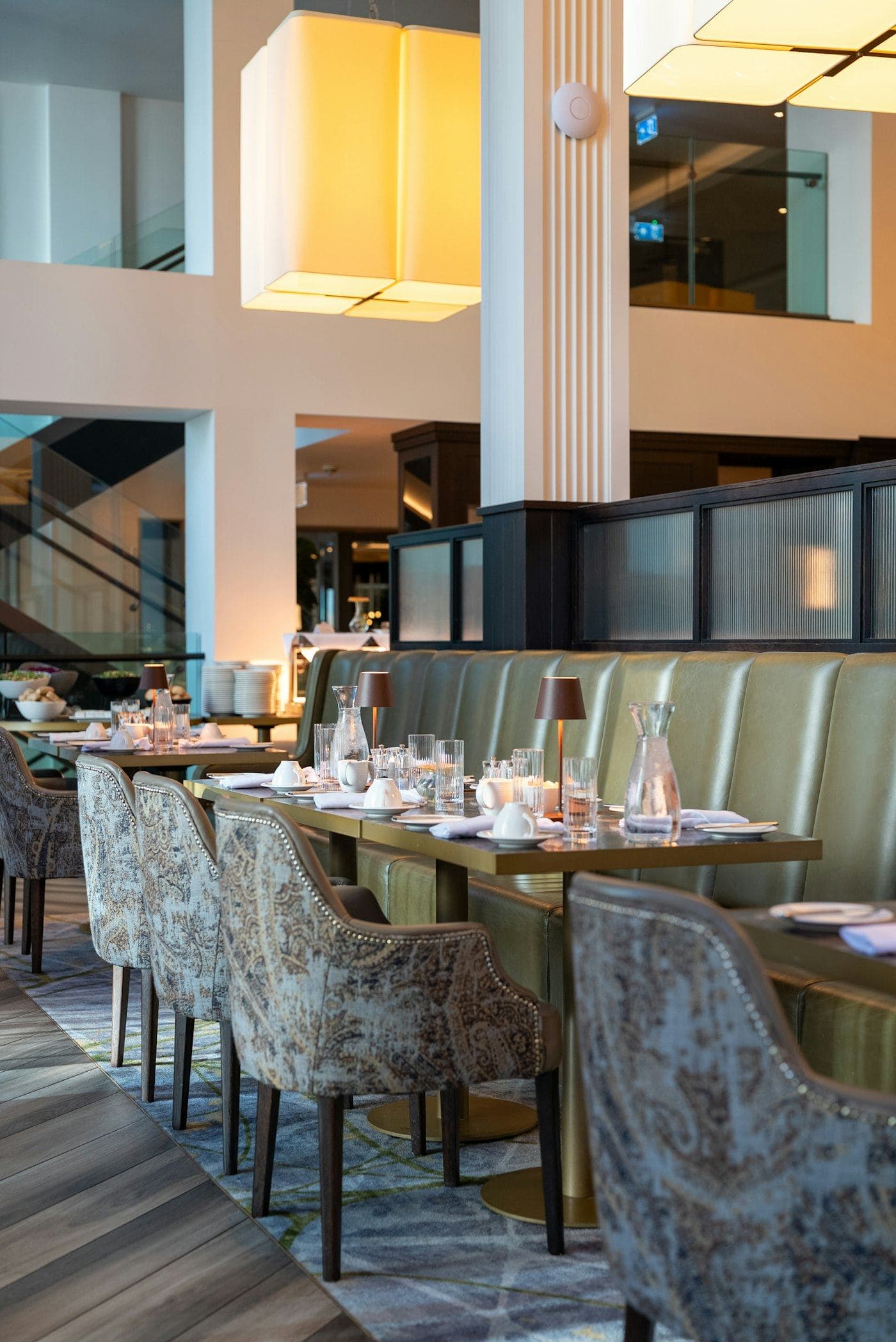
Teams Design the Conditions for Ease
Guests may respond to flawless service with silence. They experience comfort and recognition while the team manages the work out of sight.
Disciplined operations create that ease. Staff protect the guest's time and privacy through clear standards and sound judgement.
Teams create ease through preparation and attention.
Guests Judge the Arrival in Seconds
Guests form an opinion before a team member speaks. In seconds, posture and pace show whether the operation has control.
A composed arrival gives guests confidence. Clear flow and attentive staff reduce the effort required from them.
Luxury brands build reassurance into the arrival. Staff tone and spatial clarity tell the guest that the team expected them.
Teams Anticipate Before Guests Ask
Luxury teams anticipate needs before guests have to ask. They use observation and guest history to prepare the next step.
Remembered preferences and well-timed service show the guest that the team understands them.
Keep each gesture quiet. Care should feel personal and respect privacy.
- Housekeeping prepares a returning guest's preferred pillow before arrival.
- The reservations team holds a favorite table without waiting for a request.
- Restaurant and kitchen teams share dietary information before service.
- The concierge adjusts transfer timing when weather or traffic creates a risk.
- The service team matches its pace to the purpose of the table.
Reduce the Work Required from the Guest
Guests carry enough decisions during a journey. Clear signs and concise explanations remove work from the stay.
Staff absorb operational complexity through coordinated handovers. Guests can focus on their visit instead of managing the process.
Repeated questions or waits show owners where service adds work for the guest.
Managers Build Calm Service
Managers support charisma with standards and briefings. They give the team a common service language and hold each person accountable.
Managers build elegant service through clean SOPs and precise handovers. They coach before behaviour drifts.
Structure gives skilled employees room to act with confidence and consistency.
Train Judgement Alongside Procedure
Managers must coach the purpose behind each standard. A server's tone and timing can reinforce the guest's confidence in a dish.
Refined teams learn to read the room and adapt their language to the guest.
Managers review the action and the guest's likely response.
Use Positioning to Protect Privacy
Attentive staff protect privacy through peripheral awareness and good timing.
Team members use floor positions and quiet signals to arrive when a guest needs help, then step back.
Front office and housekeeping must share information. Gaps between departments create friction for the guest.
Recovery Tests the Standard
Problems test the service standard. Guests judge whether staff take ownership and resolve the issue with care.
A late cocktail can break the mood of a celebration and weaken the guest's confidence in the room.
Frontline staff need authority to act. Managers must check the guest after the team resolves the issue.
Design the Room for Calm
Spatial design shapes the guest's mood. Acoustics and lighting can create calm before service begins.
Designers support privacy through clear circulation and acoustic control. Congestion or confusing layouts create stress.
Restraint protects the mood. A subtle scent or balanced soundscape can support the room without demanding attention.
Give the Property a Local Point of View
Guests seek places with local character and skilled craft.
In Marrakech, a property can work with local architects and artisans to place the guest in the destination.
Owners can offer cultural immersion while protecting comfort and privacy.
Use Technology Behind the Team
Technology works best behind the service team. It should save time and preserve human contact.
Staff use guest preferences and table-pacing data to anticipate needs.
Useful systems reduce staff effort. Cumbersome systems add friction to the guest experience.
Managers Protect Consistency
Guests judge the stay as one experience. Arrival, dining, billing, and departure all affect their confidence in the property.
One weak handover can damage trust. Department heads must share responsibility for the guest journey.
Managers protect consistency through daily quality checks and structured briefings.
The Work Behind Ease
Effortless service requires sustained work from the team. Training and coordination shape each guest moment.
Guests feel free when staff remove friction before it reaches them.
Properties preparing an opening or LQA review must turn the service promise into standards the team can use under pressure.
Guests experience care when teams turn discipline into calm service.
Translate the philosophy into standards, training, and operational rhythm.